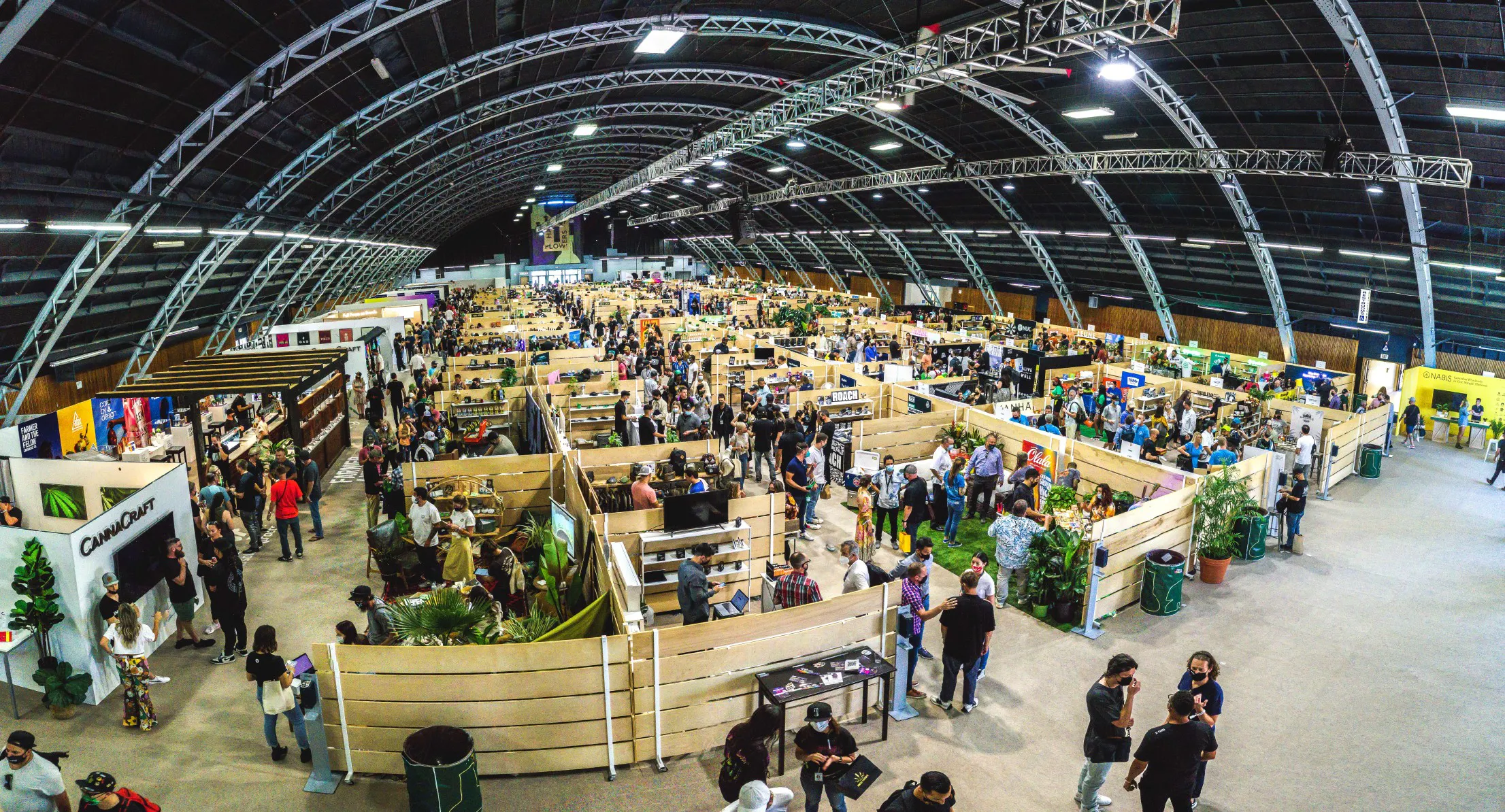
Hall of Flowers Ventura: What California Cannabis Can Still Teach the Rest of the Industry
By Jordan IsenstadtFor years, California has been framed as both the leader in cannabis and a warning sign for where the industry can go. High taxes, complicated regulations, and a massive illicit market have made it easy to write the narrative that California cannabis is struggling, or even in decline.
After spending time on the ground at Hall of Flowers in Ventura, that narrative feels incomplete. There are real challenges, no question. But what’s happening in California right now says more about where the industry is going than where it’s failing.
Lesson 1: The Market Is Defined by Who’s Still Standing
What stood out most wasn’t just the quality of the event, it was the people in the room. These weren’t early-stage brands or operators trying to catch a wave. They were businesses that have figured out how to operate in one of the most difficult markets in the country.
That’s an important distinction.
California has forced operators to be sharper. Tighter operations. More intentional branding. A clearer understanding of who they are and who they are not. If you’re still standing in California, there’s a reason for it.
For those of us working on the East Coast, it feels less like a separate market and more like a preview. As competition increases and margins tighten, more markets are going to start looking like this.
Lesson 2: This Isn’t Collapse, It’s Correction
There’s no shortage of coverage focused on what’s gone wrong in California. Store closures. Price compression. Regulatory headaches. All of that is real. But it’s only part of the story.
What we saw at Hall of Flowers was a concentration of brands that have adjusted. The noise has quieted, and what’s left are operators who are serious about building something sustainable.
The level of brand development, product quality, and overall presentation was strong across the board. Not perfect, but intentional.
That shift matters for how companies think about communications. Being in cannabis is no longer the story. The story is what makes you different, and why that matters.
Lesson 3: California Brands Are Looking East
One theme came up consistently in conversations throughout the event. California brands are looking East. Markets like New York and New Jersey are attractive for obvious reasons. Limited licenses, higher margins, and a consumer base that is still being developed.
At the same time, there is a gap. Many of these brands have strong identities and products, but less familiarity with how different East Coast markets operate. The regulatory environment, the media landscape, even the pace of business is different.
Entering a new market takes more than distribution. It requires a thoughtful approach to positioning. How do you introduce yourself? Who do you need to build relationships with? What parts of your story translate, and what needs to be adapted? That’s where communications plays a real role.
Lesson 4: The Coasts Are Converging
I’ve spent the better part of my career focused on the East Coast cannabis market, so this was my first real opportunity to spend time with the California industry in person. What became clear quickly is that the gap between coasts is shrinking.
Brands are thinking nationally, even if they are operating state by state. Operators are paying attention to what’s working elsewhere. There is a steady flow of ideas, talent, and ambition moving in both directions.
The companies that can navigate that dynamic, and adjust their approach depending on where they are, are going to be in a stronger position.
What This Means for Cannabis PR
We’re entering a phase where access alone is not enough. There are more brands competing for attention, more products on shelves, and less room to blend in.
The companies that break through are the ones that are clear on their identity and consistent in how they communicate it. They understand how to tell their story in a way that resonates with different audiences, whether that’s in California, New York, or anywhere in between.
That’s where we spend our time at Marino.
Helping brands take what works in one market and translate it into another. Making sure they’re not just showing up in new markets, but actually connecting in a meaningful way.