Media Samples: Best Practices for Sending Products to Journalists
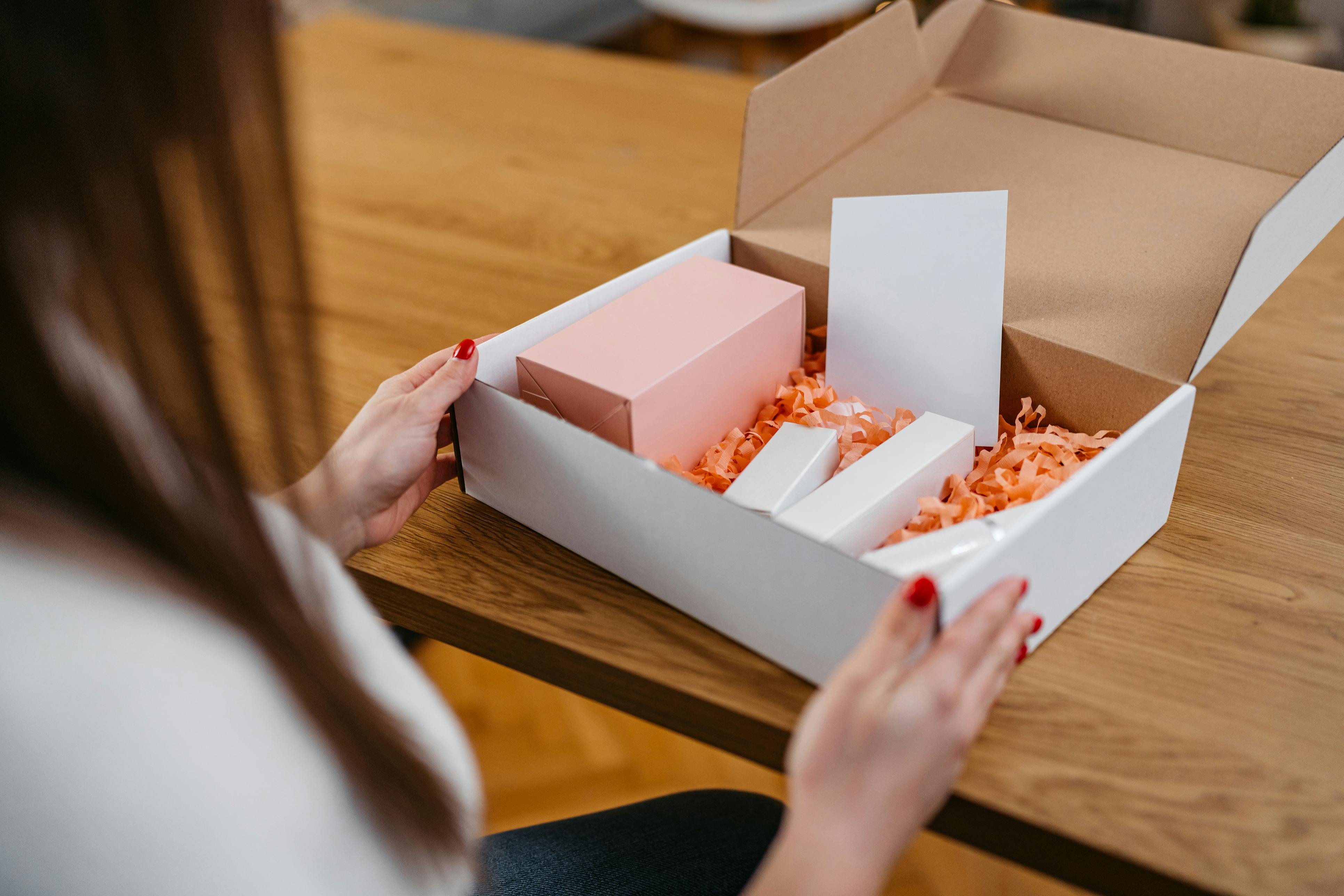
By Daniella AlkobiAs consumer brands compete for media attention, media samples – whether a single product or a curated box – are often the first tangible touchpoint a journalist has with a brand. When executed with clarity, professionalism, and respect for boundaries, PR sample boxes can be an effective way to introduce products – from packaged goods to pantry staples – and build credibility.
However, when there is misalignment between the samples, the pitch, and expectations, even well-intentioned outreach can erode trust, jeopardize relationships, and diminish coverage opportunities. Thoughtful PR execution is no longer optional—it’s a differentiator that helps lifestyle, food and beverage brands stand out in crowded media landscapes and build lasting media relationships.
Following are six steps to sending media samples effectively:
- Set clear expectations upfront.
Before sending anything, communicate exactly what’s included, why it’s relevant, and whether the journalist is actively working on a related story. Be transparent about the purpose of the outreach, whether the product is being shared as a gift or as a sample for editorial consideration. Ambiguity around intent or expectations can create confusion and frustration, even when outreach is well-intentioned. - Know the difference between a gift and a sample.
A gift is given with no expectation of coverage or action; a sample is provided for consideration, with the potential that it may be featured if it fits a story. Mislabeling one as the other can create confusion and misaligned expectations. Always clarify the intent when sending a product so recipients understand whether it’s a gift or a review sample, and avoid implying that coverage is guaranteed in exchange for receiving it. Clear communication upfront builds trust and sets the right tone for professional relationships. - Respect professional boundaries.
Journalists are not influencers. Do not assume that unpaid social posts are part of the deal. If social content is part of your outreach strategy, clarify and agree to it before shipping. This protects both your brand and the recipient’s credibility, and is particularly relevant for food and beverage products, where experiential tasting or lifestyle imagery can blur the line between editorial consideration and influencer-style asks. - Prioritize safety, transparency, and logistics.
List ingredients, allergens, or perishables clearly, and communicate logistics in advance. If a sample includes refrigerated or time-sensitive items, confirm delivery timing with the recipient and provide tracking details so products don’t arrive unattended, spoil, or go to waste. This shows respect for the journalist’s time and circumstances, and ensures your product is experienced as intended. - Curate with purpose.
If you’re sending a larger box with multiple items, tailor the selection to the recipient’s beat, audience, and current editorial focus. A curated, thoughtful assortment resonates far more than a grab-bag of unrelated items (and in some cases, a sample may not be necessary at all if the story can be supported with imagery, details, or expert context). For food and beverage brands, curation could include complementary product pairings (think: extra virgin olive oil with balsamic vinegar), serving suggestions, or flavor notes to support clearer, more compelling coverage. - Follow up professionally.
A simple thank-you goes a long way. Avoid repeated or persistent/extra asks, especially after coverage has been given. Professional media relationships are built on respect, not pressure.
PR sample boxes, when done well, can generate excitement, earn editorial coverage, and build long-term relationships with journalists. When executed with clarity and professionalism, they become more than a shipment; they’re an extension of your brand’s credibility. Thoughtful execution signals that your brand understands the journalist’s perspective and values their time and expertise, helping ensure food, beverage, and lifestyle products make the impact they’re designed for—without crossing boundaries.